High-manganese steel (Mn13–Mn18) wear parts are the backbone of mineral processing operations worldwide. From jaw crusher liners to ball mill liners, the correct specification of wear-resistant castings directly impacts your plant's throughput, maintenance intervals, and total cost of ownership.
What Is High-Manganese Steel?
High-manganese austenitic steel, commonly known as Hadfield steel, contains 11–18% manganese and 1.0–1.4% carbon. Its unique property is work hardening: under impact and compressive stress, the surface layer rapidly hardens to 500–600 HB while the core remains tough and ductile. This makes it ideal for high-impact crushing and grinding applications.
Common Wear Part Applications
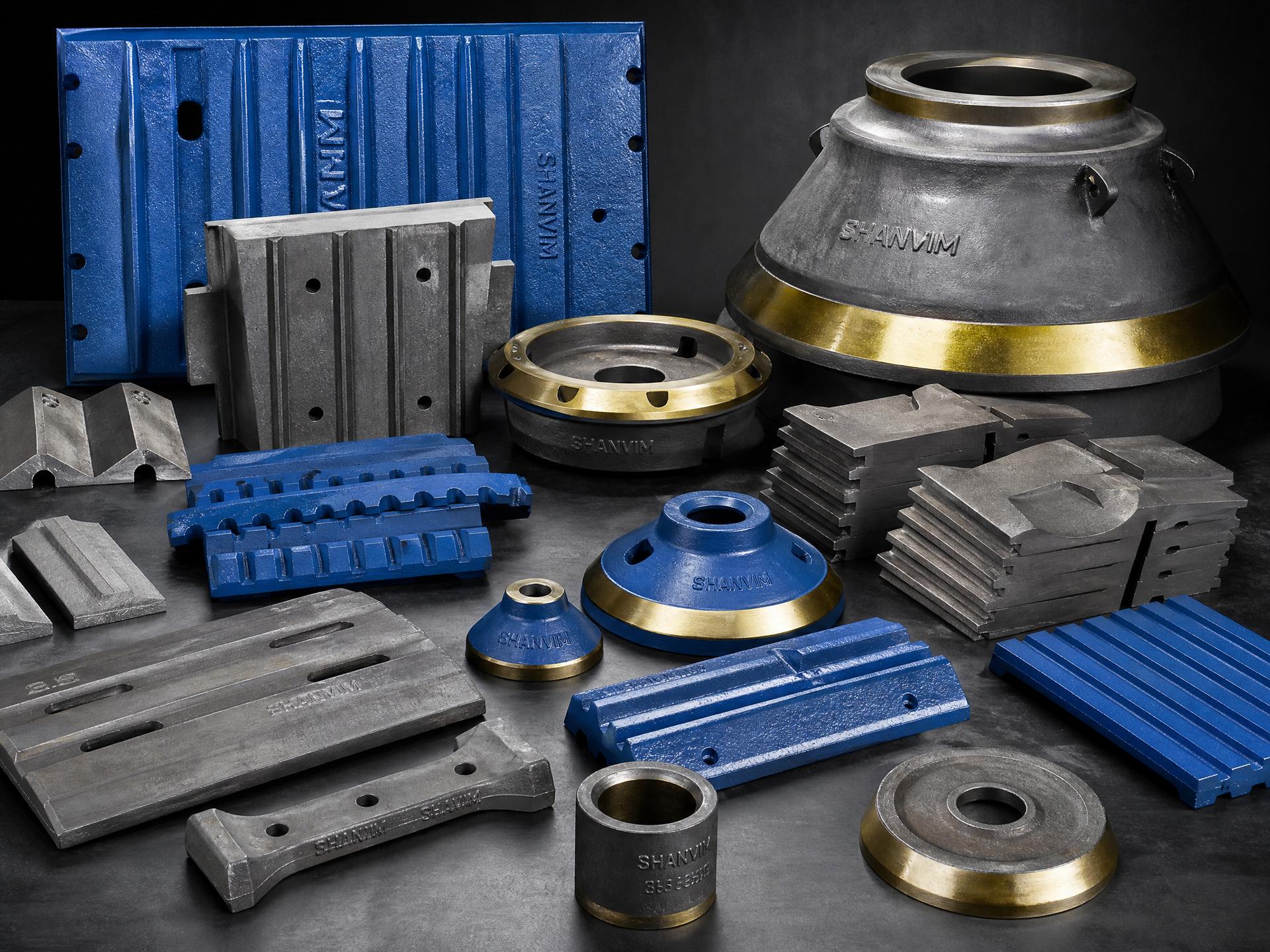
- Jaw Crusher Liners — Fixed and swing jaw plates, cheek plates (Mn13Cr2, Mn18Cr2)
- Cone Crusher Liners — Mantle and concave bowl liners (Mn18Cr2, Mn22Cr2)
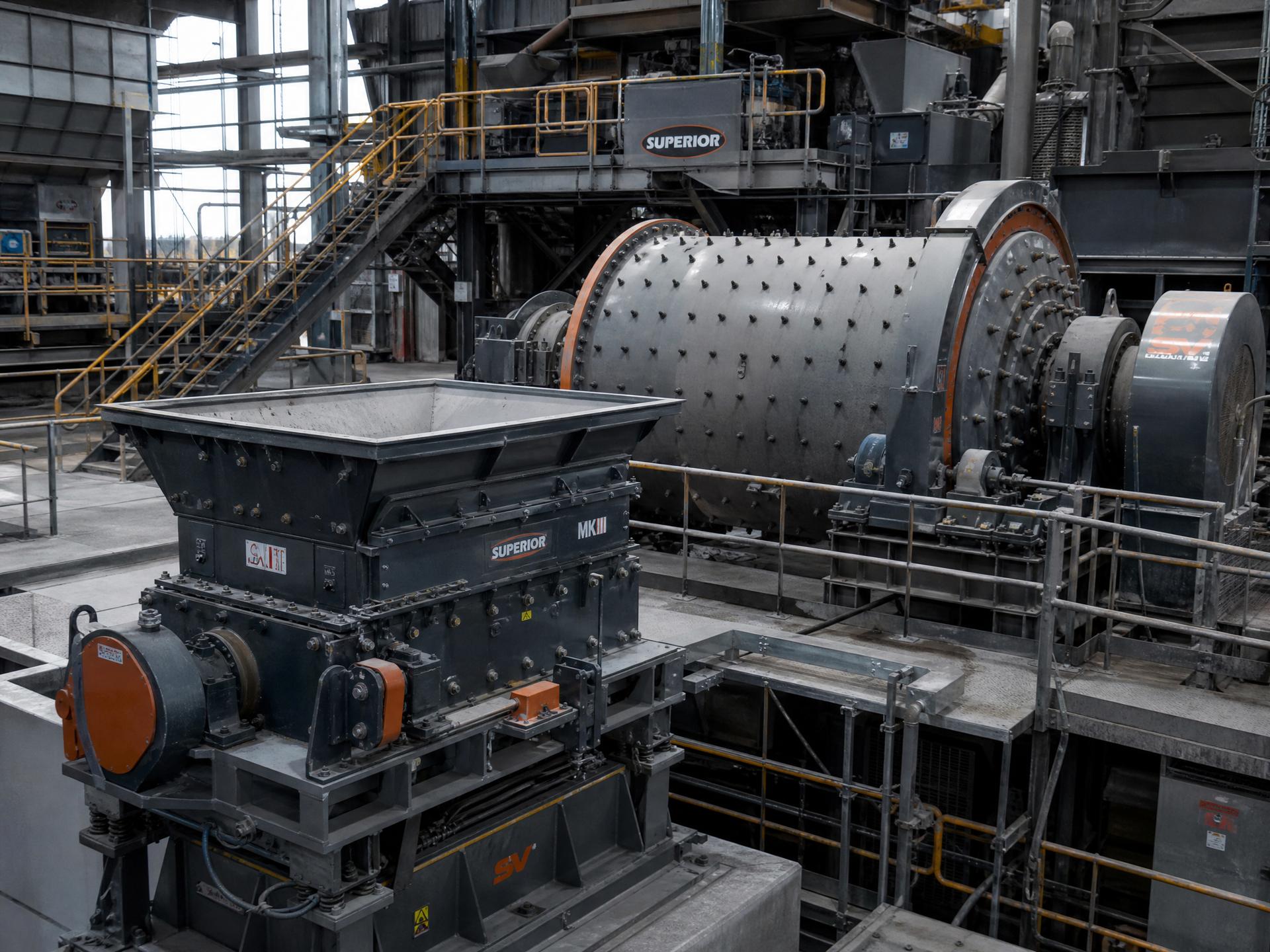
- Ball Mill Liners — Shell liners, end liners, lifter bars (Mn13, Cr-Mo alloy steel)
- Impact Crusher Blow Bars — High-chrome white iron or Mn13 steel
- Gyratory Crusher Mantles — Large-format castings up to 15 tonnes
Grade Selection Guide
Selecting the correct manganese grade depends on the ore hardness (Bond Work Index), feed size, and crusher type:
- Mn13Cr2 — Standard grade for medium-hardness ores (BWI 10–15 kWh/t)
- Mn18Cr2 — High-impact applications, hard ores (BWI 15–20 kWh/t)
- Mn22Cr2 — Ultra-hard ores, primary gyratory crushers
- Cr-Mo Alloy Steel — Ball mill liners where abrasion dominates over impact
Sourcing from China: What to Verify
China produces over 60% of the world's wear-resistant castings. However, quality varies enormously between foundries. When sourcing from Chinese manufacturers, SMT recommends verifying the following:
- Chemical composition — Request EN10204 3.1 mill certificates with full spectrographic analysis
- Hardness testing — Brinell hardness (HB) should be verified on each batch
- Dimensional inspection — Critical mating surfaces must be within ±2mm tolerance
- Weight verification — Underweight castings indicate porosity or incorrect alloy
- Impact testing — Charpy V-notch testing for toughness verification
SMT's Wear Parts Sourcing Capability
SMT maintains qualified supplier relationships with 12 specialized wear parts foundries across Hebei, Henan, and Shandong provinces. We provide complete quality documentation including material test certificates, dimensional inspection reports, and hardness test records for every shipment.
Typical lead times range from 4–8 weeks for standard sizes and 8–14 weeks for custom profiles. Emergency stock programs are available for high-consumption items.
Ready to Source? Contact SMT Today
Our engineering team is available to discuss your specific requirements and provide a detailed technical and commercial proposal within 24 hours.
Send Us Your Inquiry →